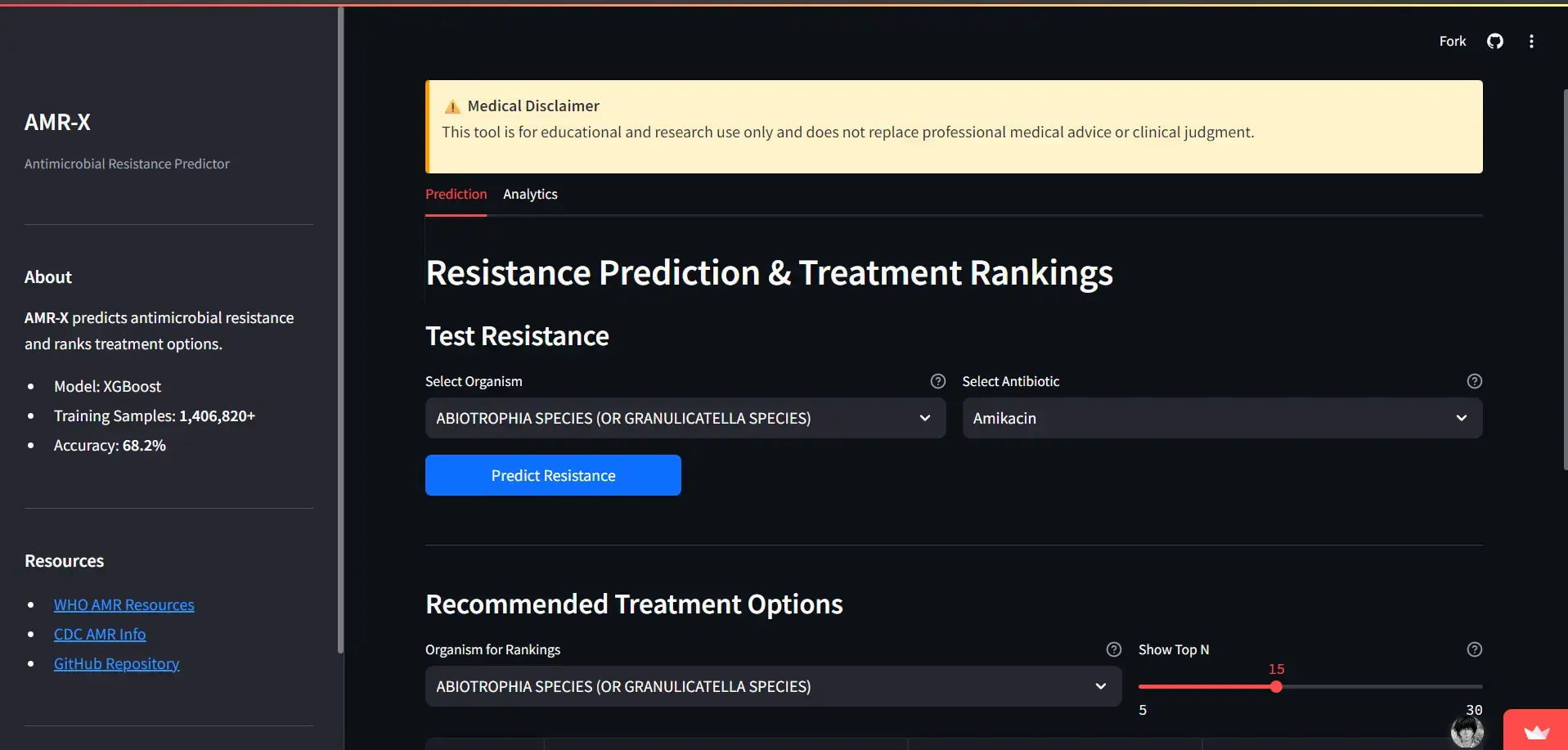
Unified AMR-X build pairing the prediction app with the FastAPI service. The predictor handles clinical inputs, and the API serves low-latency inference for production use.
"I got into ML because I wanted to understand how bacteria outsmart antibiotics. Then I got addicted."
I'm Joel. I build things at the edge of biology and code — not because it looks good on paper, but because the questions genuinely keep me up at night. What makes a pathogen resistant? Can a model learn what took evolution millions of years? I want to find out.
2× IEEE published. Based in Kerala. I dress well and I read papers for fun. Make of that what you will.
Unified AMR-X build pairing the prediction app with the FastAPI service. The predictor handles clinical inputs, and the API serves low-latency inference for production use.
Interactive genomic sequence exploration. Pattern recognition as archaeology of the genome.
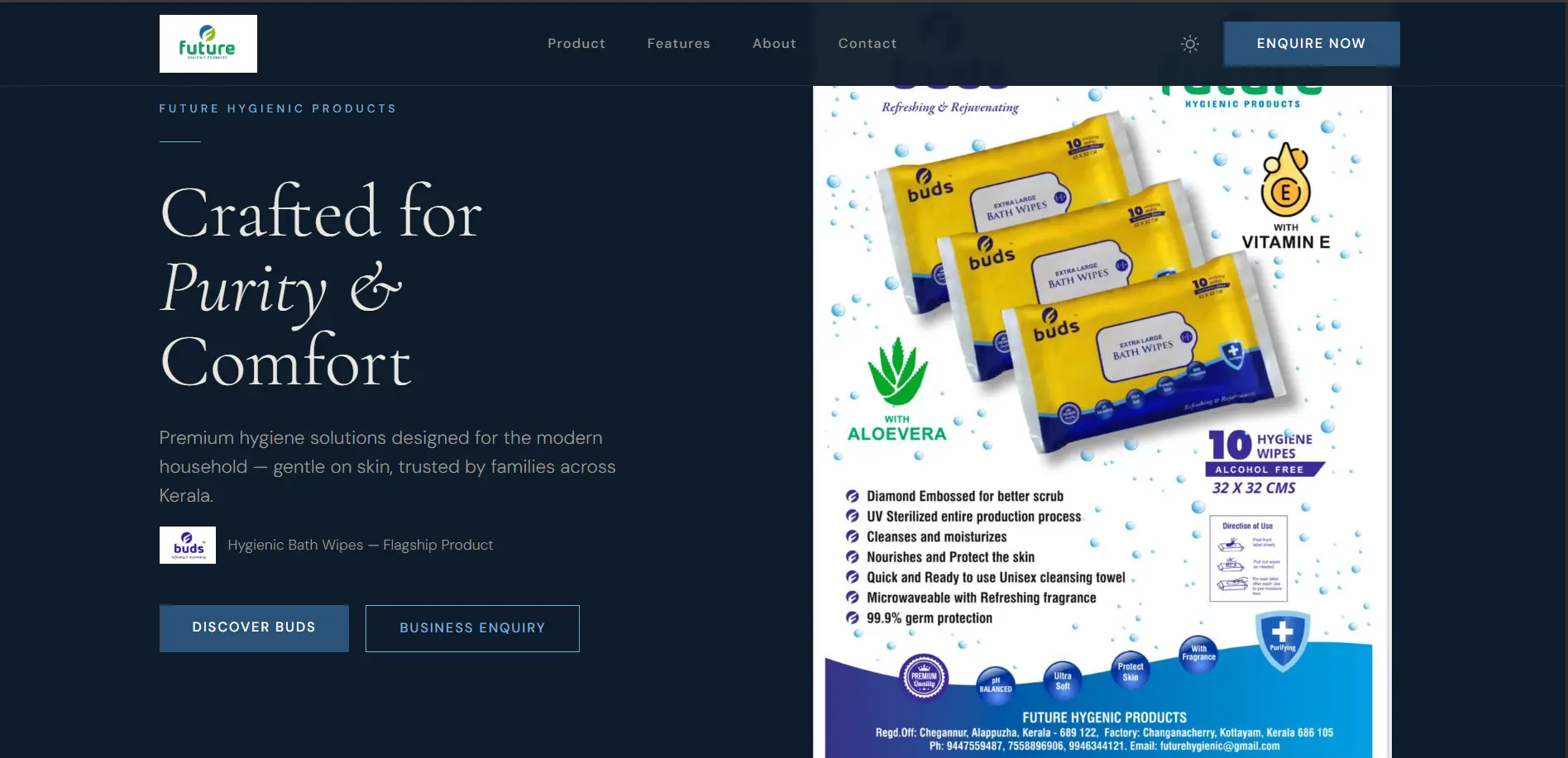
Product landing for intelligent hygiene tech. Clean systems design for a smarter world.
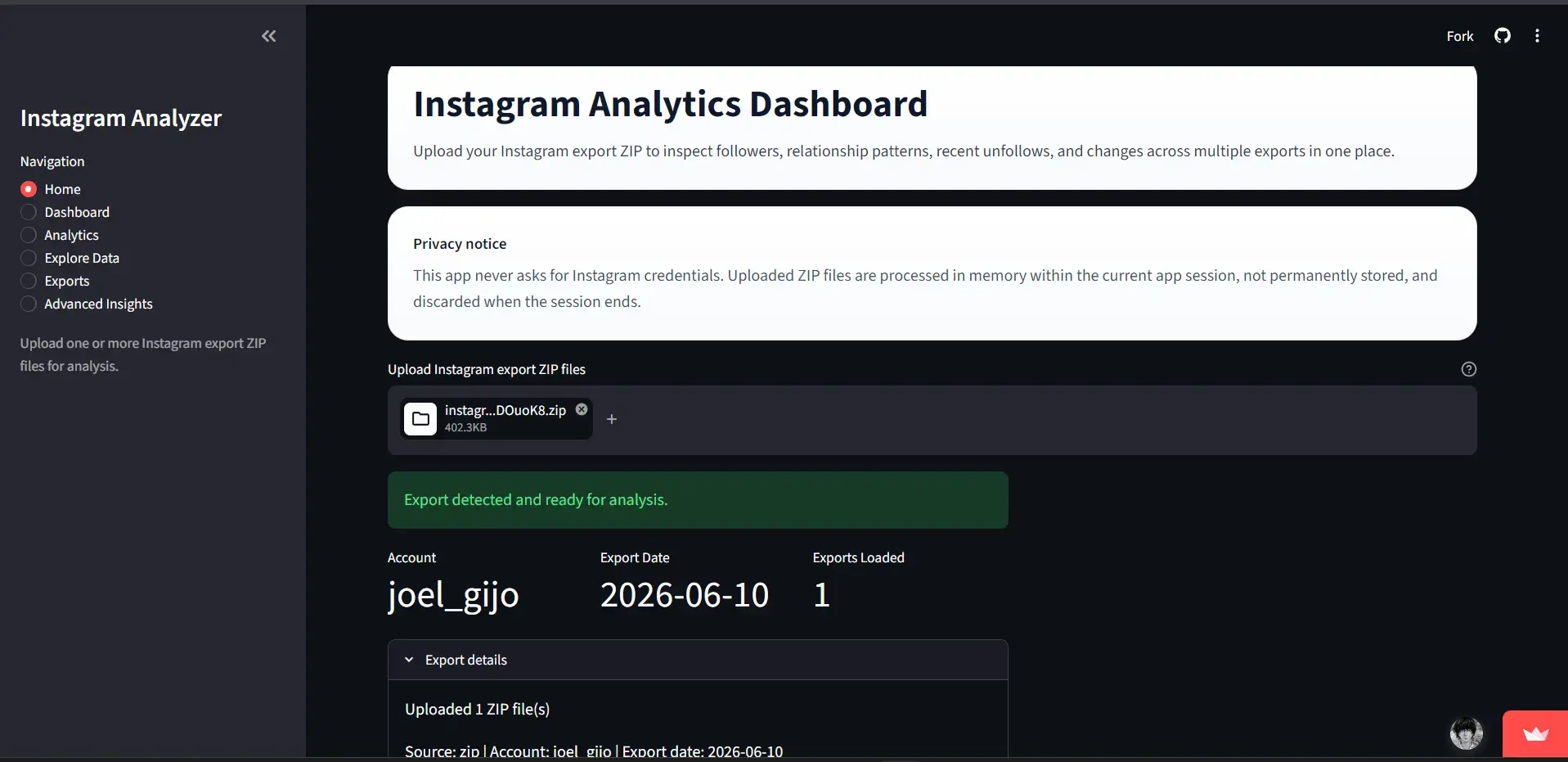
Forensic analysis of social follower graphs. Turns network data into clarity.
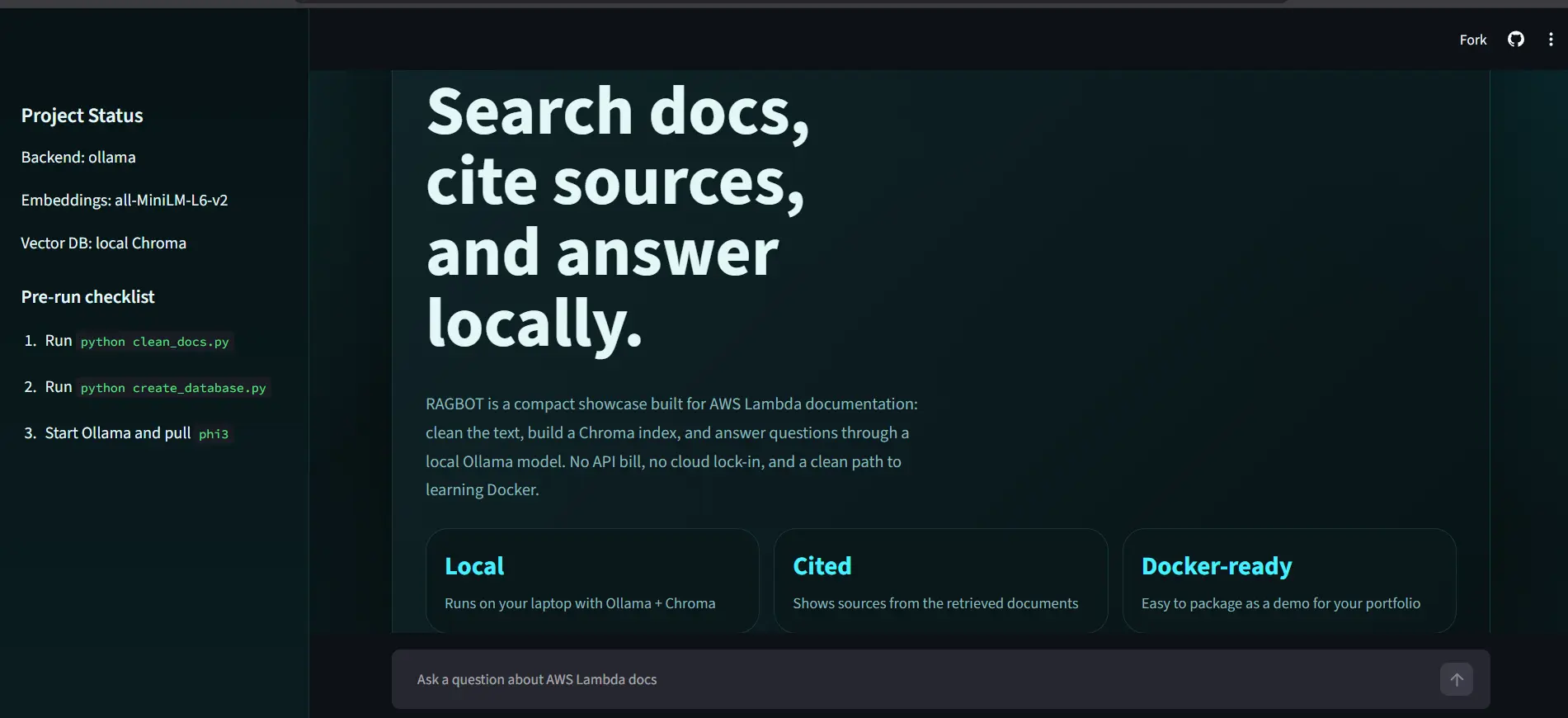
Local-first RAG pipeline. Ask questions over your own documents without sending anything to the cloud. Built on Ollama + ChromaDB.
Something is being assembled in the lab. Stay tuned.
// IN PRODUCTION
A machine learning system that predicts antibiotic resistance using only organism and antibiotic identifiers — the minimal data available in any basic lab report. Bridges the gap in resource-limited clinical settings where genomic sequencing is unavailable.
Full system design and evaluation of AMR-X — an end-to-end ML platform for antimicrobial resistance prediction. Evaluated across clinical datasets with XGBoost achieving state-of-the-art performance on sparse clinical identifiers.